Why Every Woman Needs to Care About Her Pelvic Floor - At Every Age
The Hidden Core We Forget About
The pelvic floor muscles sit like a hammock at the base of your pelvis, supporting the bladder, uterus, and bowel. They are vital for:
- Bladder control: helping us cough, sneeze, jump or exercise without leaking.
- Bowel control: maintaining continence of stool and wind.
- Sexual health: contributing to pain-free intimacy and orgasm.
- Pregnancy & birth: stretching and relaxing during childbirth.
- Organ support: preventing prolapse by holding the bladder, uterus and bowel in place.
And yet, one in three women will experience urinary leakage in their lifetime, and up to 50% of women who’ve had a baby will develop some degree of prolapse. Despite these numbers, pelvic health remains a taboo subject.
In Your 20s: Setting the Foundation
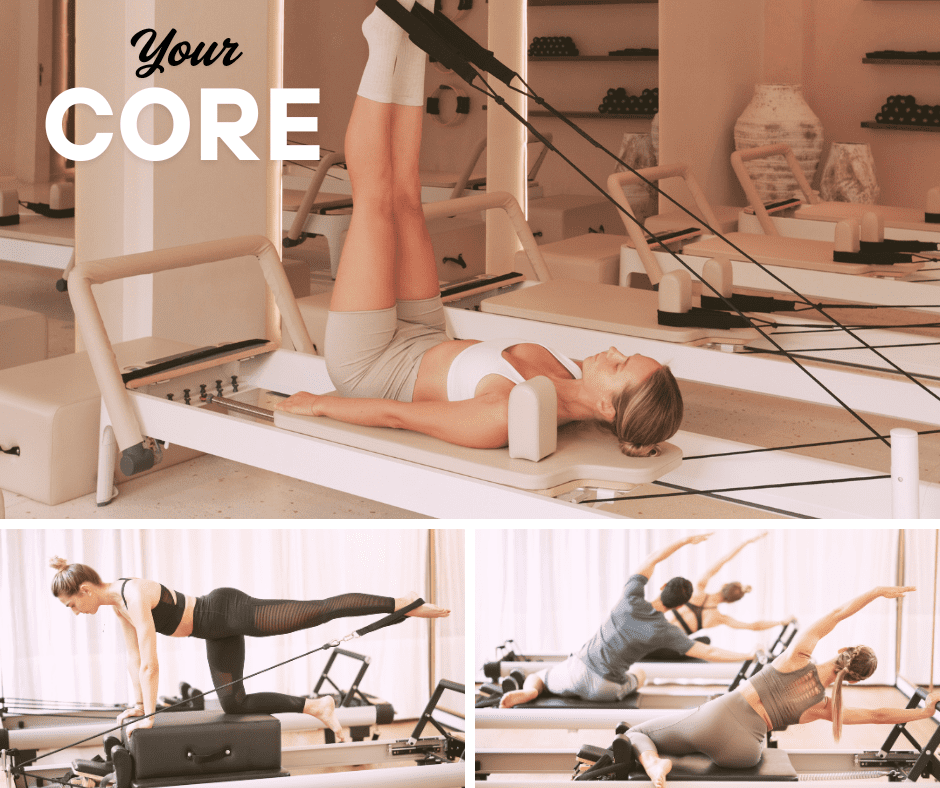
Even before pregnancy or hormonal changes, the pelvic floor matters.
- High-impact exercise, intense sport, or heavy lifting can weaken these muscles.
- Many young women already report “just a little leak” when running or jumping – an early warning sign of stress incontinence.
Think point: Building awareness now sets up decades of strength. Simple Pilates-based pelvic floor engagement can mean a lifetime of better control.
In Your 30s: Pregnancy, Birth, and Recovery
Pregnancy is one of the biggest challenges for the pelvic floor. The weight of the baby, hormonal changes (relaxin), and the stretching of childbirth can all cause weakness.
- Nearly 50% of women who’ve given birth vaginally show some degree of prolapse on medical imaging.
- 1 in 3 new mums leak urine when they cough, sneeze or try to return to running.
Real words clients use:
- “I tried to return to running but I kept leaking.”
- “I wear a liner every time I exercise.”
- “Something just doesn’t feel right since having my baby.”
Support here: safe postnatal Pilates, pelvic floor retraining, and in some cases treatments like Emsella which stimulate 11,000 supramaximal contractions in a session.

In Your 40s: Perimenopause & Hormonal Shifts
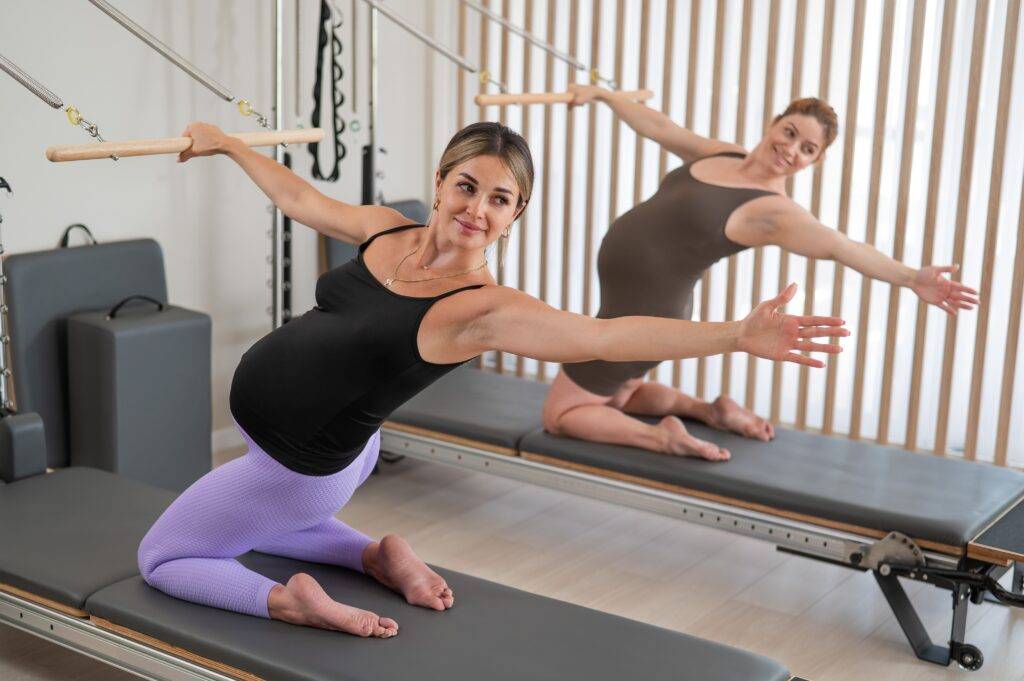
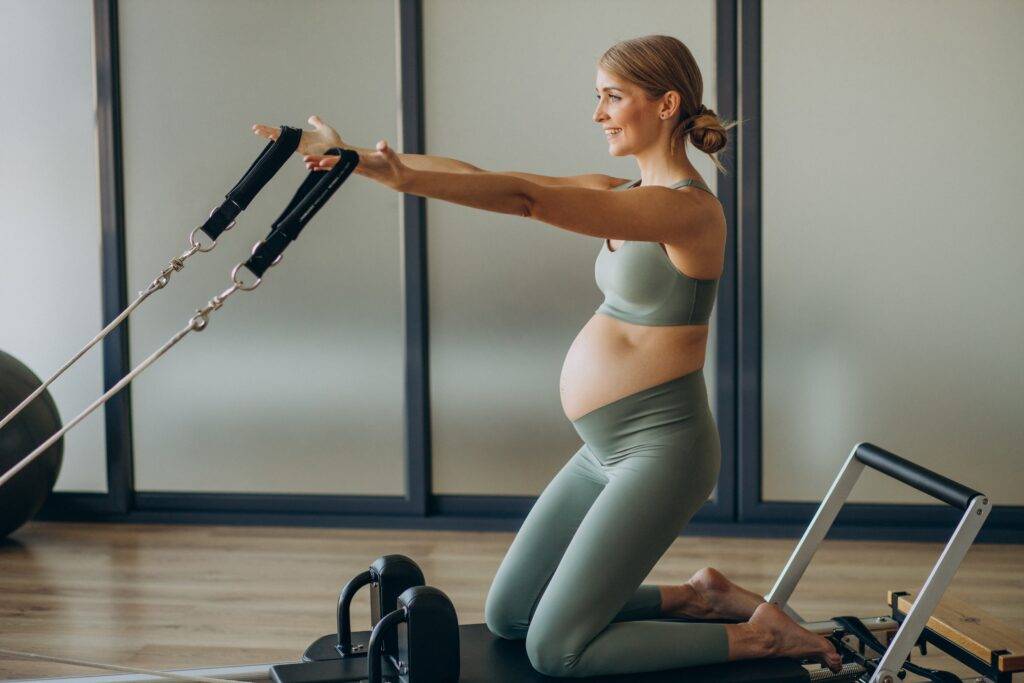
As oestrogen starts to fluctuate, the pelvic tissues lose elasticity and the pelvic floor naturally weakens.
- Women in perimenopause are twice as likely to report urgency and frequency of urination.
- Constipation and straining often appear at this age, placing extra stress on the pelvic floor.
- Symptoms like heaviness, bulging, or low back ache can be early prolapse signs.
Think point: This is often when women stop high-impact exercise due to leaks – but this is the exact time to double down on pelvic support to prevent bigger issues later.
In Your 50s & Beyond: Menopause and Prolapse Risk
After menopause, the protective effect of oestrogen drops away. Muscle mass declines (sarcopenia), including the pelvic floor.
- Around 1 in 5 women will need surgery for prolapse at some point.
- Even after surgery, 1 in 3 will prolapse again.
- Continence Foundation of Australia: “Half of all women who have had a child have some degree of prolapse during their lifetime.”
Symptoms clients mention:
- “I feel a bulge in my vagina.”
- “There’s a heaviness and dragging sensation.”
- “I get low back ache I never used to.”
What helps: consistent pelvic floor activation, low-impact strength training, constipation management, and therapies like Emsella or supervised Pilates to rebuild baseline muscle tone.


Why This Matters for Every Woman
Pelvic floor dysfunction isn’t rare, embarrassing, or something you “just put up with.” It’s one of the most common women’s health problems in Australia. Looking after it early – and maintaining it across every decade – means:
- Fewer leaks
- Stronger, more confident movement
- Better intimacy
- Less risk of prolapse and surgery later
Think point: If you could prevent knee surgery with a simple exercise, you’d do it. Why treat the pelvic floor any differently?
The Next Step
At Embrace Wellness Haven, we work with women at every stage of life – from post-natal mums to women in their 60s+ – to strengthen, support, and protect their pelvic floor. Through Pilates, safe movement, and advanced treatments like Emsella, we help you regain control and confidence.
To get you started, we’ve put together our Pelvic Floor Playbook – a simple, practical guide you can download today to learn the foundations and start making changes straight away.
Because strength isn’t just about how you look – it’s about how your body supports you through every stage of life.